Bowling in the living room — why not! With a few plastic bottles and a ball, you can turn any space into a real bowling alley and children into little champions! Simple, inexpensive, and full of energy — this game is a favourite with children of all ages and hides valuable learning benefits you'd be hard pressed to find in any textbook!
What You'll Need
- 6 to 10 plastic water bottles (empty or with a little water for stability)
- A medium-sized ball
- A bit of space in the living room, hallway, or garden
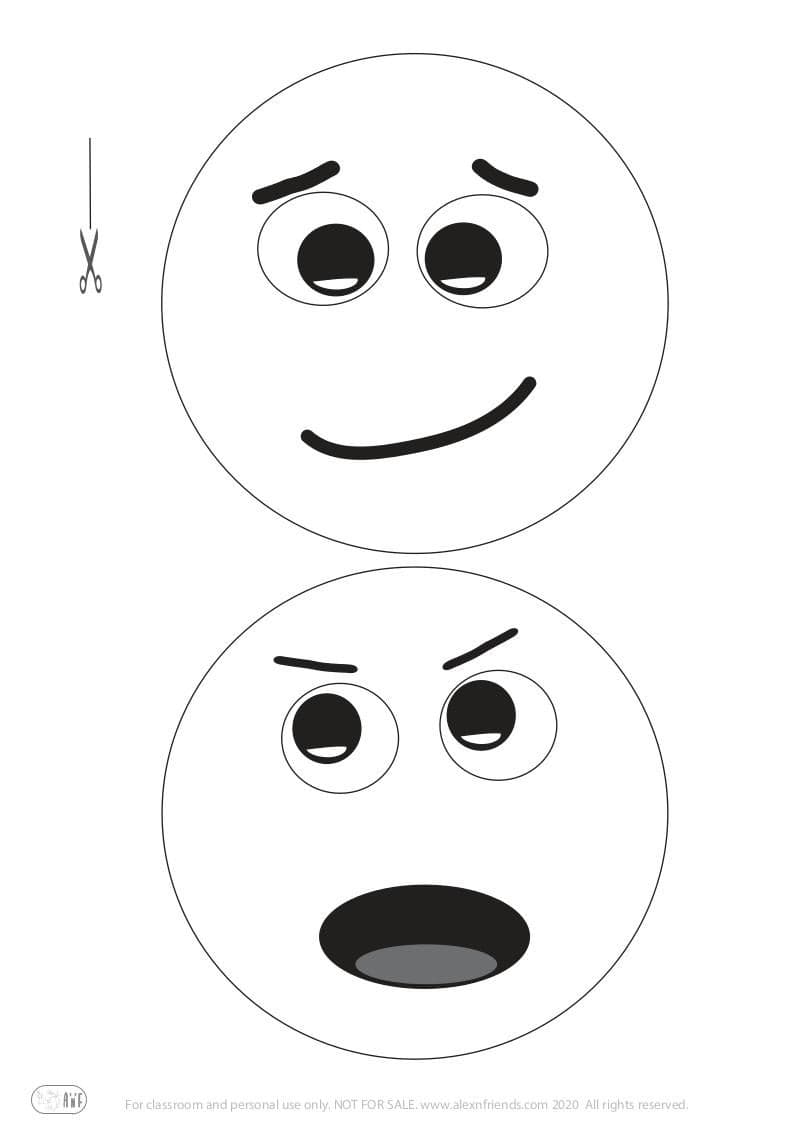
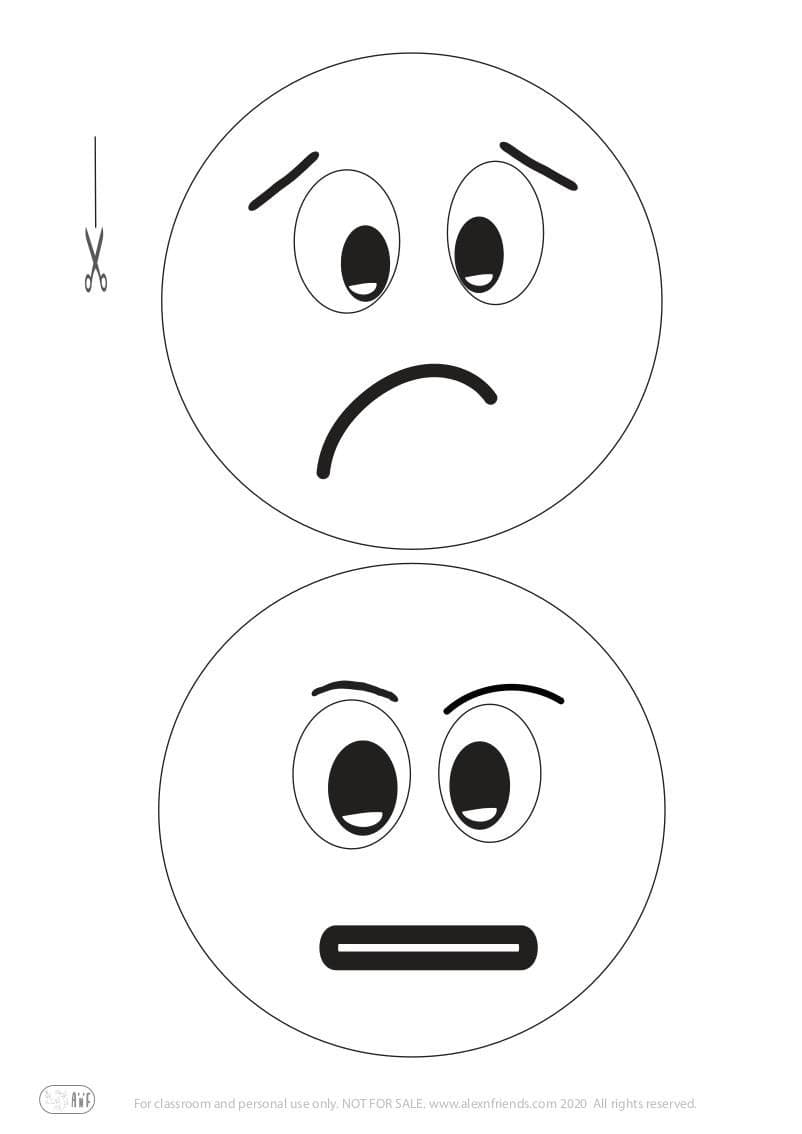
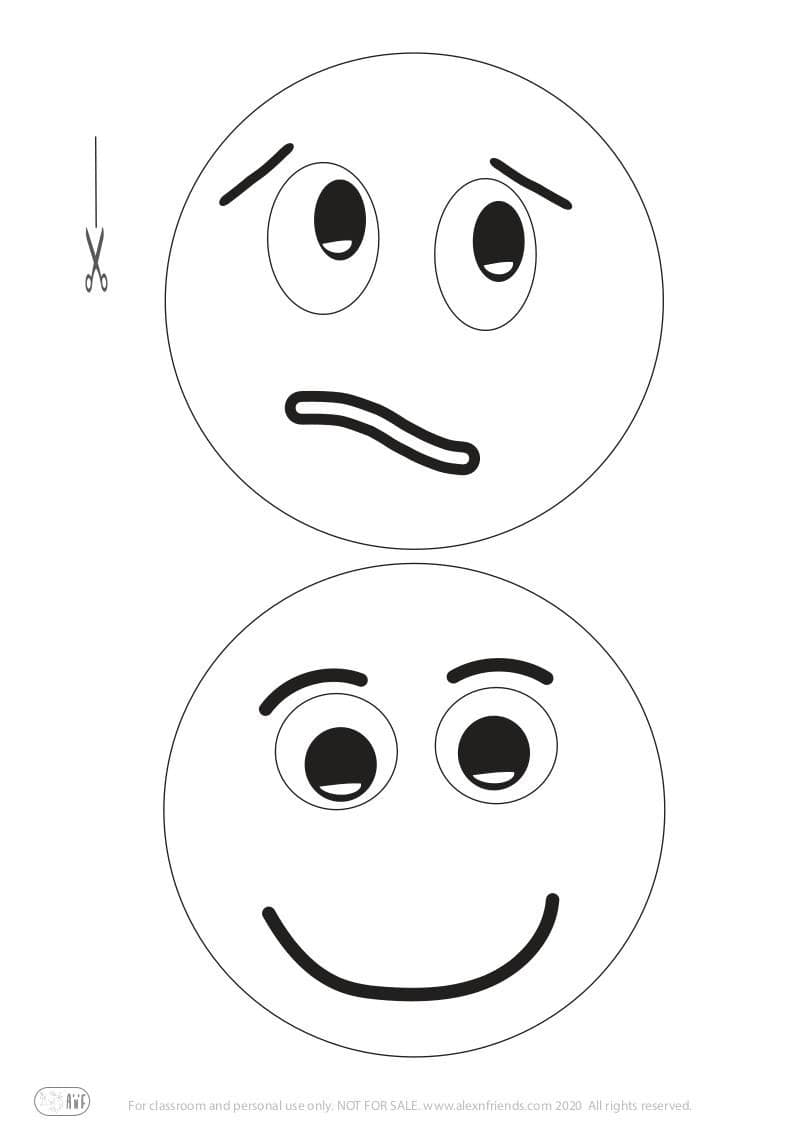
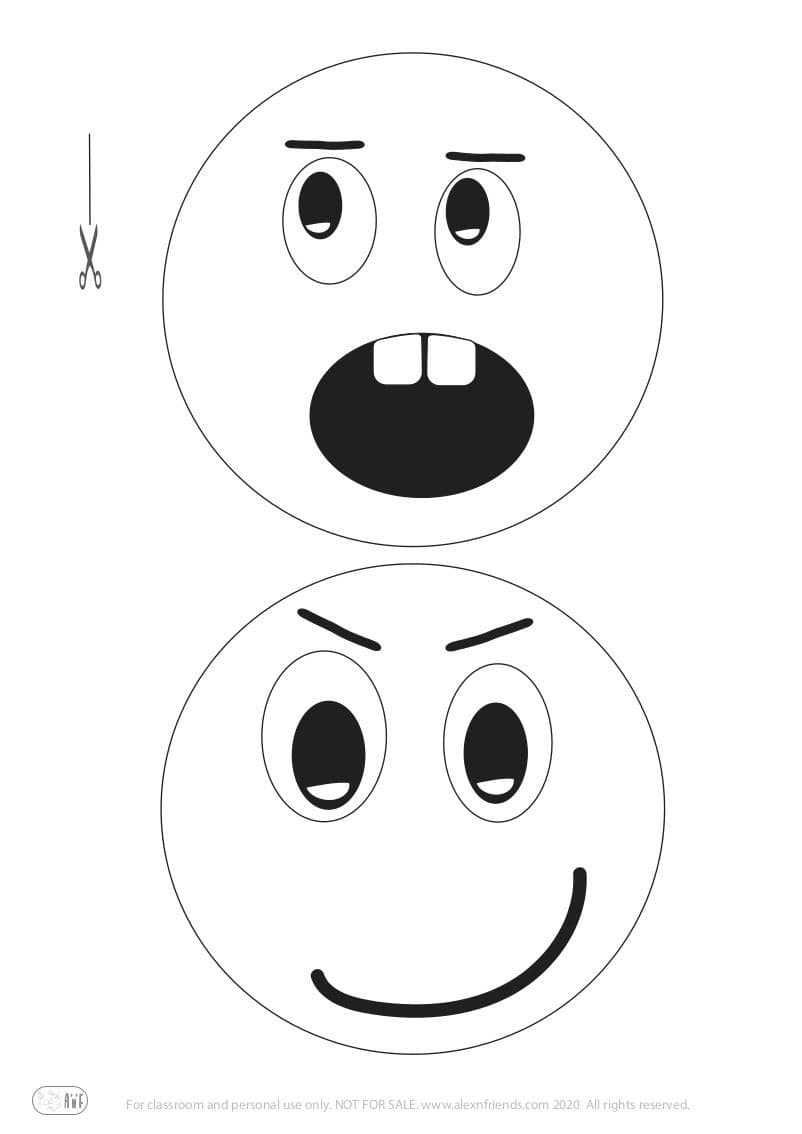
- A printout of the face expressions
- Optional: tempera paints or stickers to decorate the bottles
- Optional: tape on the floor to mark the throwing line
How to Play Arrange the bottles in a triangle formation (just like real bowling). Mark a throwing line at an appropriate distance depending on the child's age — closer for younger children, further away for older ones. Each player has two chances per round to knock down as many bottles as possible. Count together, keep score, and play again!
Benefits for Children
Gross motor skills and coordination: Rolling the ball requires whole-body coordination — posture, balance, direction, and strength. Every attempt improves motor control.
Mathematical concepts: Counting the bottles that fell, comparing "did more or fewer fall than last time?", adding up scores — all happening naturally within the game without the child feeling like they're "doing maths"!
Spatial awareness and aiming: The child estimates distances, calculates angles and directions — fundamental spatial concepts that prepare them for geometry.
Emotional regulation: Bowling teaches children to manage disappointment (when the bottles don't fall) and the joy of success — with grace and respect for their opponent.
Social skills: Taking turns, waiting, encouraging others, and accepting the result are all social skills that are naturally practised with every round.
Confidence and perseverance: Every time the child improves their score, their confidence grows — and so does the desire to play again and do even better!
Ideas and Variations Decorate the bottles with the face expression printouts we have prepared for you, so children can learn which one they knocked down — emotion recognition practice! Alternatively, draw faces or characters directly on the bottles for an even more fun version.
This free and easy game will get your little ones moving indoors on a cold or rainy day. They can have fun knocking down the "pins" — and it's an excellent workout for their motor skills.
Your child can easily cut out and glue the printed "faces" onto the bottles. Younger children can use a larger ball, while older children can use a smaller one. Choose a number of rounds to play — for example 10 rounds. Whoever has the highest score at the end of all the rounds wins! Change the distance each round for increasing challenge, or play outdoors with a larger ball for a more active game!
During the game, whenever one or more "pins" are knocked down, you can chat about the corresponding emotion.
It is important to help children recognise and identify emotions. Many preschool-aged children do not yet have the vocabulary to put into words what they are feeling — such as angry or disappointed — nor do they have the skills to "read" facial cues or interpret body language. Adults support children's social-emotional development when they point out emotions and talk about them!