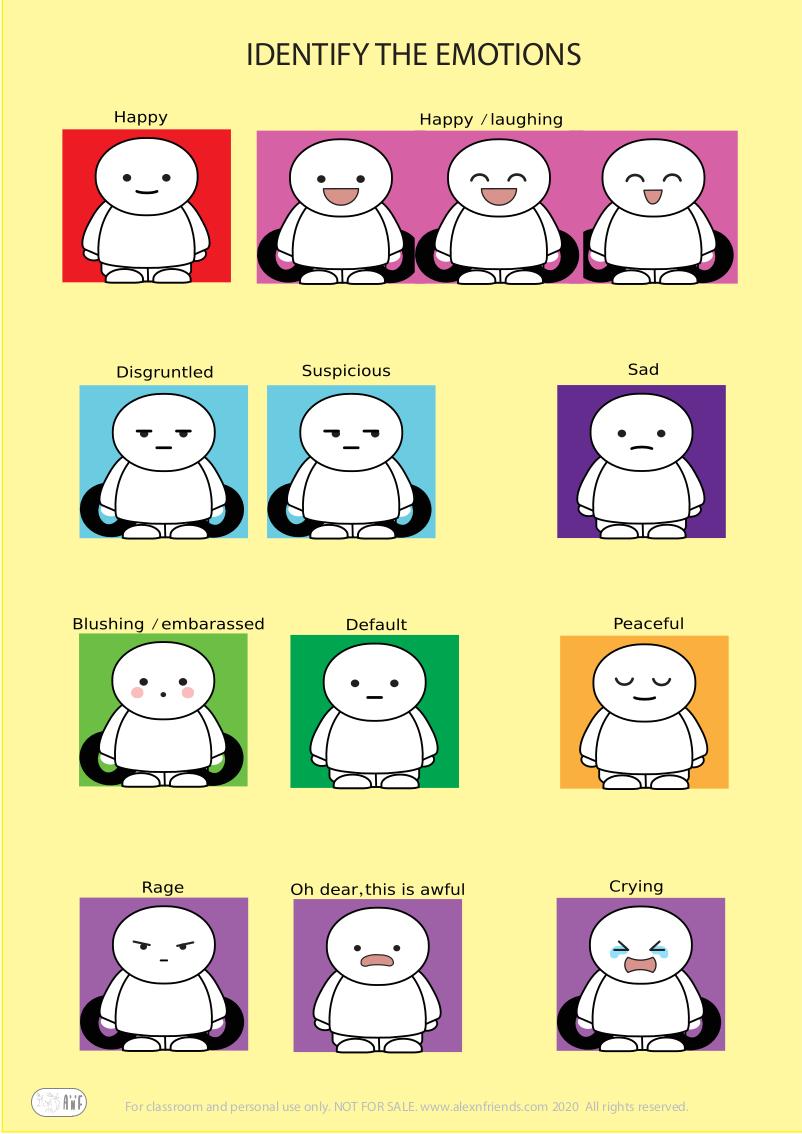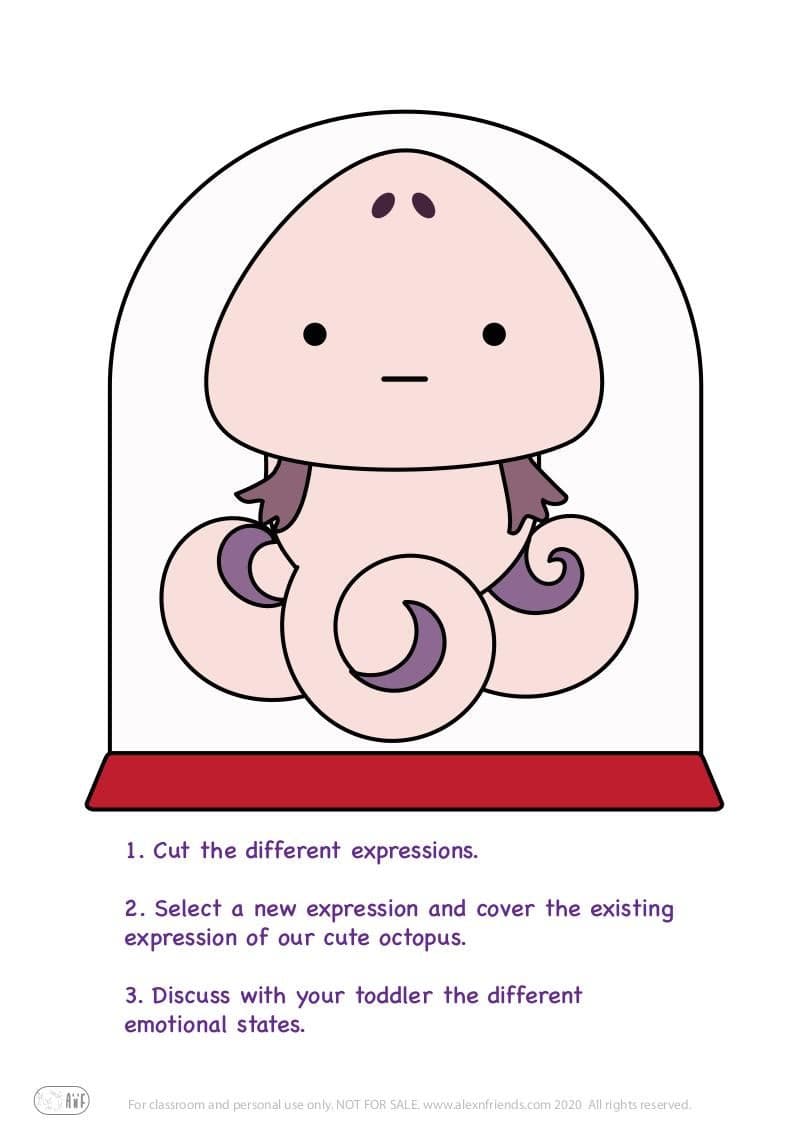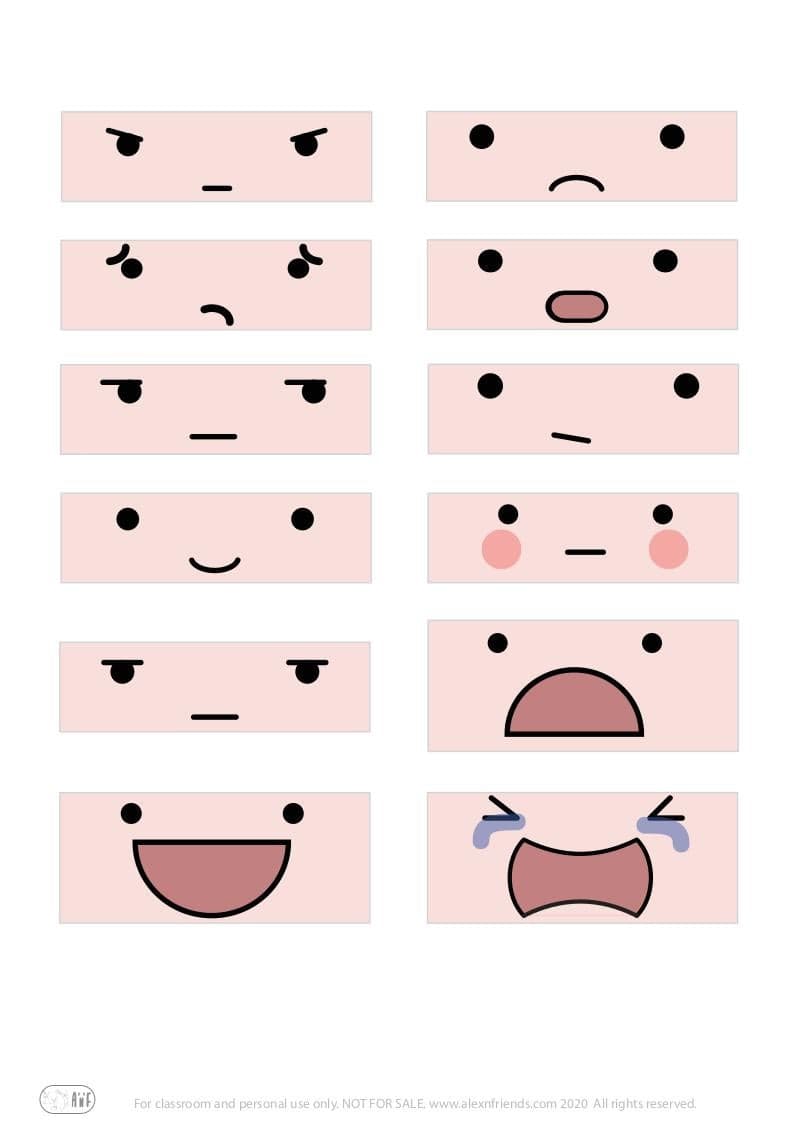
"I'm happy", "I feel sad", "that scares me" — children who learn to recognise and name their emotions have a precious tool they will carry with them for life! This activity turns emotional learning into play — joyful, tender, and deeply meaningful.
What You'll Need
- Emotion cards (below) — printable and ready to use
- A mirror (optional, for mimicking expressions)
- Optional: dolls or puppets for role play
- Optional: a ball for the "pass the emotion" game
How to Play
Activity 1 — Recognising expressions: Spread the face cards out in front of the child. Ask: "How does this child feel?" Let them point, name, and mimic the expression!
Activity 2 — The emotion story: Pick a card and ask: "When do you feel like this?" Let the child share an experience — language, empathy, and self-awareness all develop naturally.
Activity 3 — Mirror game: One child makes a facial expression and the other tries to guess the emotion. Excellent for group play!
Activity 4 — "Today I feel...": Each morning, the child picks the card that describes how they feel. A simple daily ritual that builds emotional awareness!
Benefits for Children
Emotional intelligence: Being able to recognise and name emotions is the foundation of emotional intelligence — one of the most important skills for happiness and success in life.
Language development: Learning the vocabulary of emotions greatly enriches a child's spoken language and gives them the tools to communicate what they feel, rather than expressing it through tears or outbursts.
Empathy: By recognising emotions in other faces, the child develops the ability to "put themselves in someone else's shoes" — the cornerstone of social life and friendship.
Self-regulation: Children who understand what they feel manage difficult emotions like anger or fear more effectively, with fewer outbursts and greater calm.
Social skills: The ability to recognise others' emotions helps children build friendships, resolve conflicts, and collaborate harmoniously.
Self-esteem: When children feel that their emotions are accepted and understood, they develop greater confidence and a sense of security.
Ideas for Variations Create an "Emotion Diary" — each day the child draws or sticks the card showing how they feel. Play "emotion bingo" with the cards! Use books or films the child loves as a starting point: "How does Elsa feel here?" You can also make playdough characters and give them different expressions!