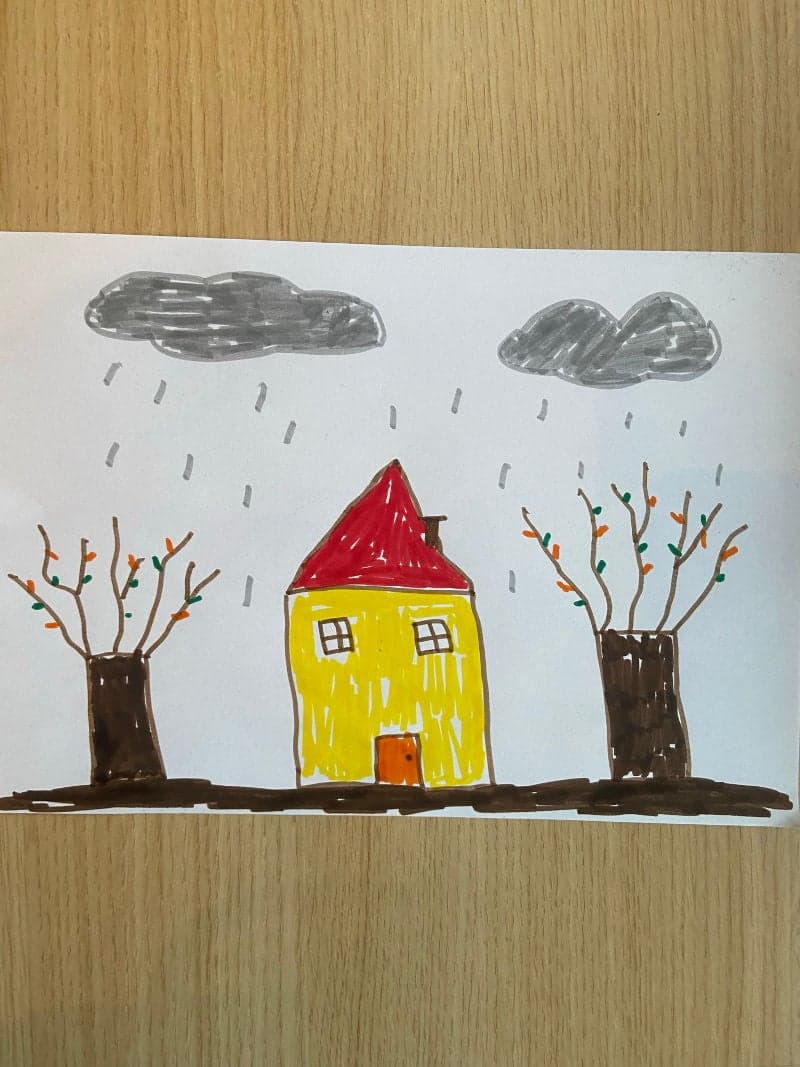
What could be better than a puzzle — except a puzzle you made yourself! Puzzles that children make on their own are inexpensive, fun, and children can choose or create whatever design they like. This personalised puzzle is a wonderful way to spark your child's creativity, and it's an activity you can repeat again and again since the designs and puzzles that can be made are truly endless!
Whether you're planning an activity for a birthday party or simply want to spend time with your child working on an art and craft project, this puzzle is a brilliant idea to get started with!
This activity has double the magic: first the child creates their own picture, then cuts it into pieces and puts it back together! Creativity and logical thinking in one game — and at the end you have a unique handmade puzzle you can give as a gift!
What You'll Need
- Card or white paper
- Markers, coloured pencils, or tempera paints
- Scissors (children's, with rounded tips)
How to Play
Step 1 — Draw the picture The child draws whatever they like on a sheet of card — an animal, a landscape, their family — or uses one of the free templates. Leave to dry thoroughly.
Step 2 — Mark the pieces (optional) On the back, draw the cutting lines — fewer pieces for younger children, more for older ones. The lines can be straight or wavy! Or simply cut into pieces without marking lines first!
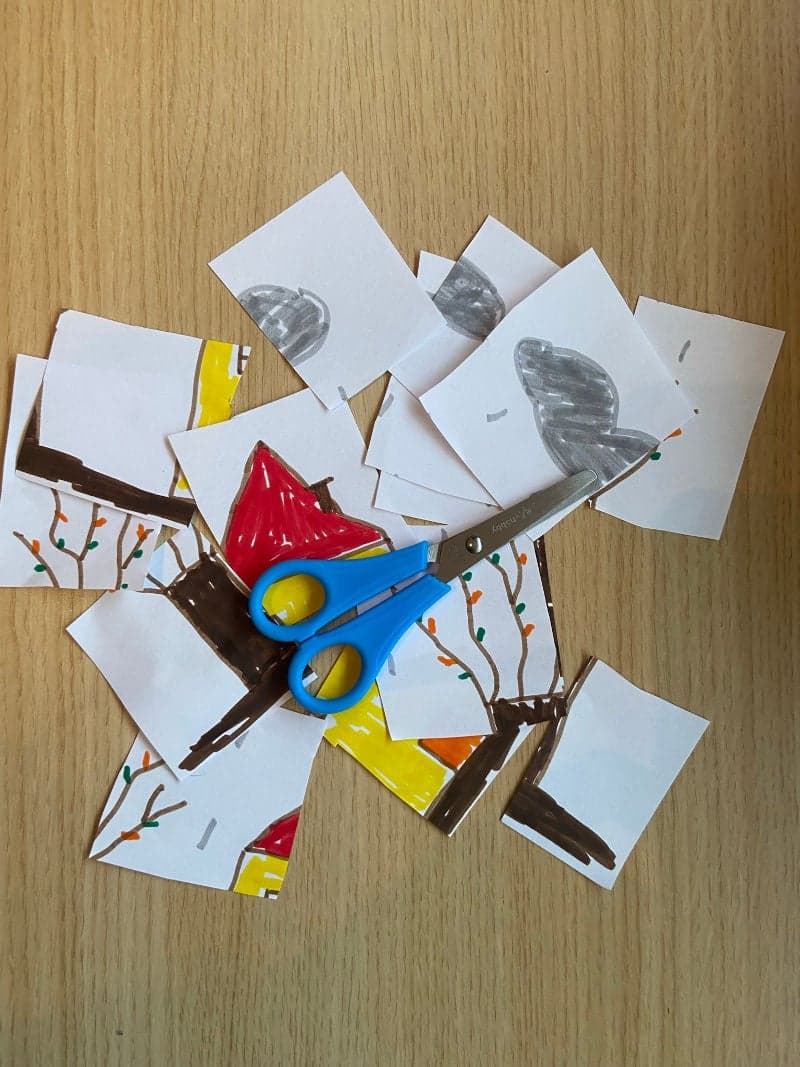
Step 3 — Cut the pieces Carefully cut along the lines. Mix up the pieces and... time to play!
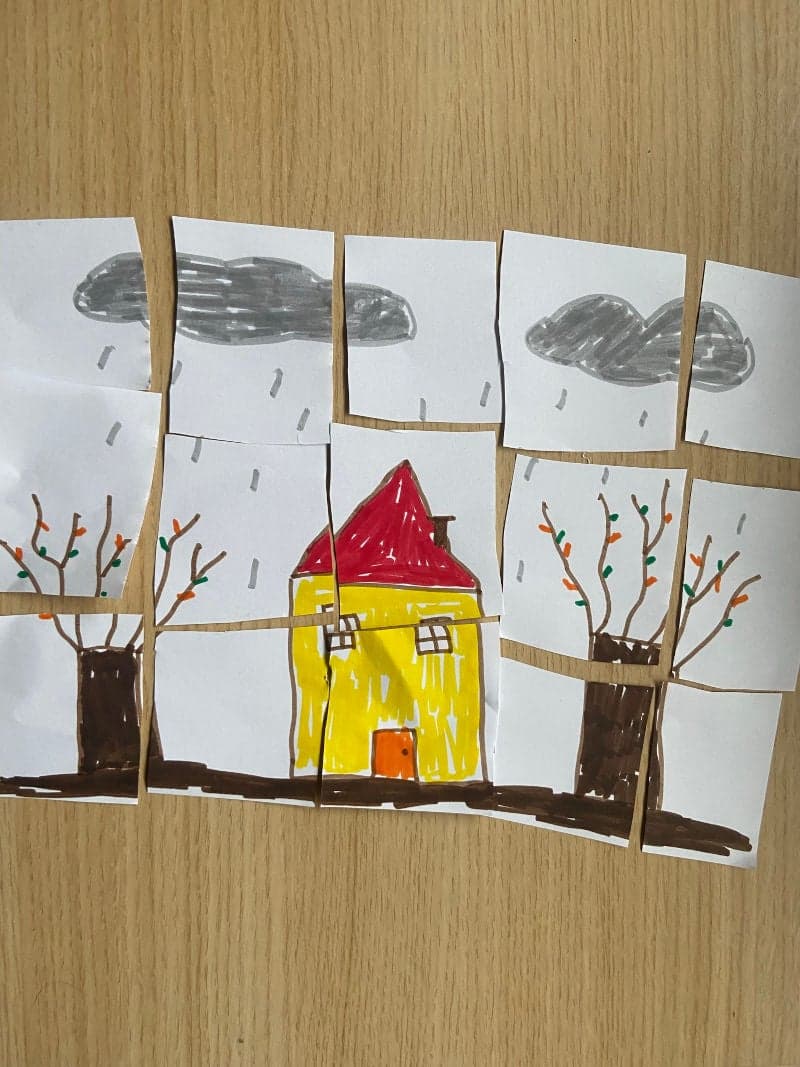
Step 4 — Assemble! The child reassembles the puzzle — the very picture they created themselves! Knowing the image makes the game more engaging and develops additional memory skills.
Benefits for Children
Spatial awareness and visual-motor coordination: Assembling a puzzle requires the child to recognise how pieces fit together — rotating, flipping, and placing with precision. A foundational skill for mathematics and geometry.
Logical thinking and problem-solving: Each piece is a small problem — "where does this go?" The child develops a systematic approach: looking first for corners, then edges, then the centre.
Perseverance and resilience: Puzzles aren't always solved quickly — and that's the lesson! The child learns not to give up, to try again, and to celebrate completion.
Creativity and self-expression: The drawing phase gives the child complete freedom of expression — and the subsequent reassembly of their own creation builds self-esteem.
Concentration and patience: The requirement for focused attention over an extended period develops the capacity for concentration — essential preparation for school.
Pattern and colour recognition: The child uses colour, shape, and pattern to find where each piece belongs — skills that support later reading and writing.
Ideas for Variations Make themed puzzles: animals, vehicles, seasons. Gradually increase the number of pieces as the child grows. Give it as a gift — a puzzle featuring the child's own drawing is the most personal present they can make!