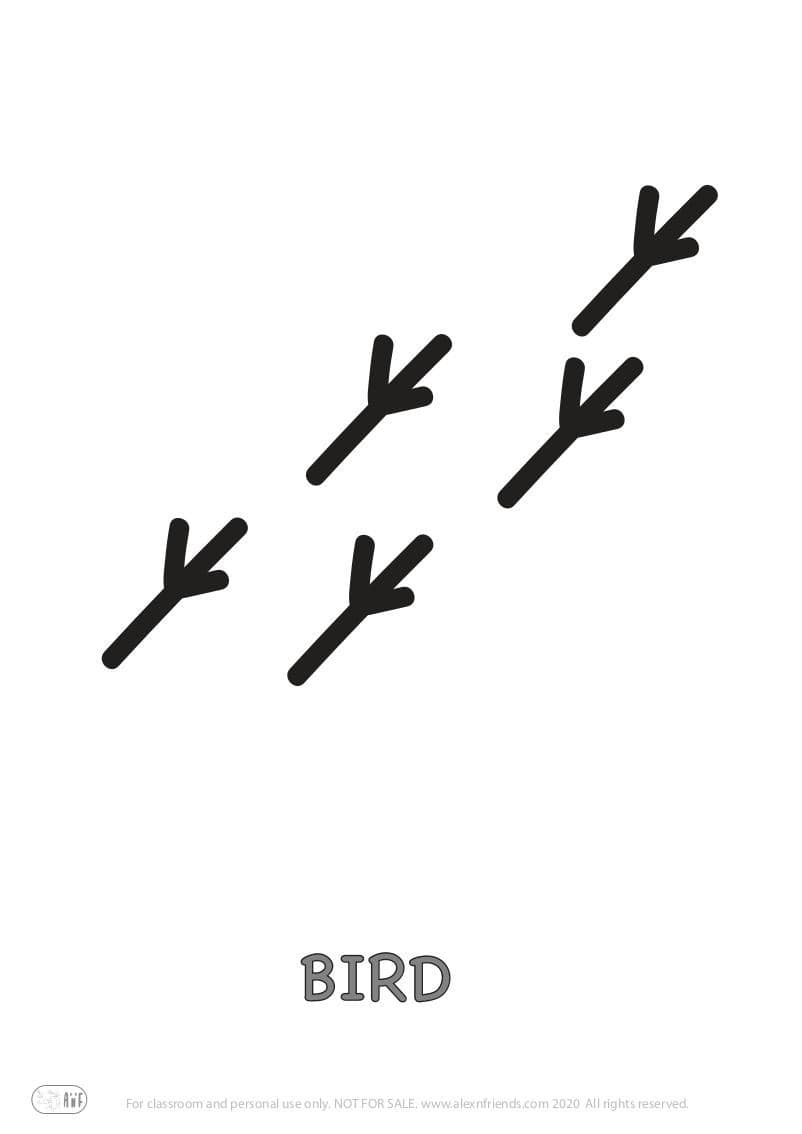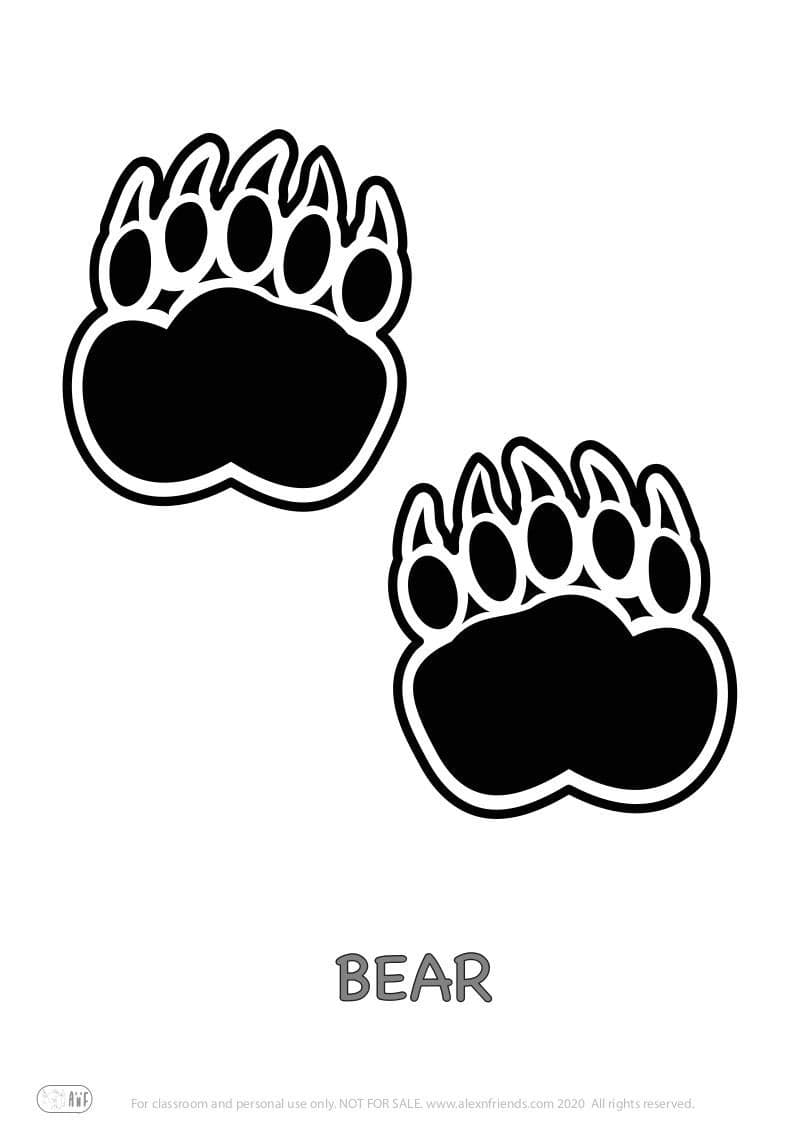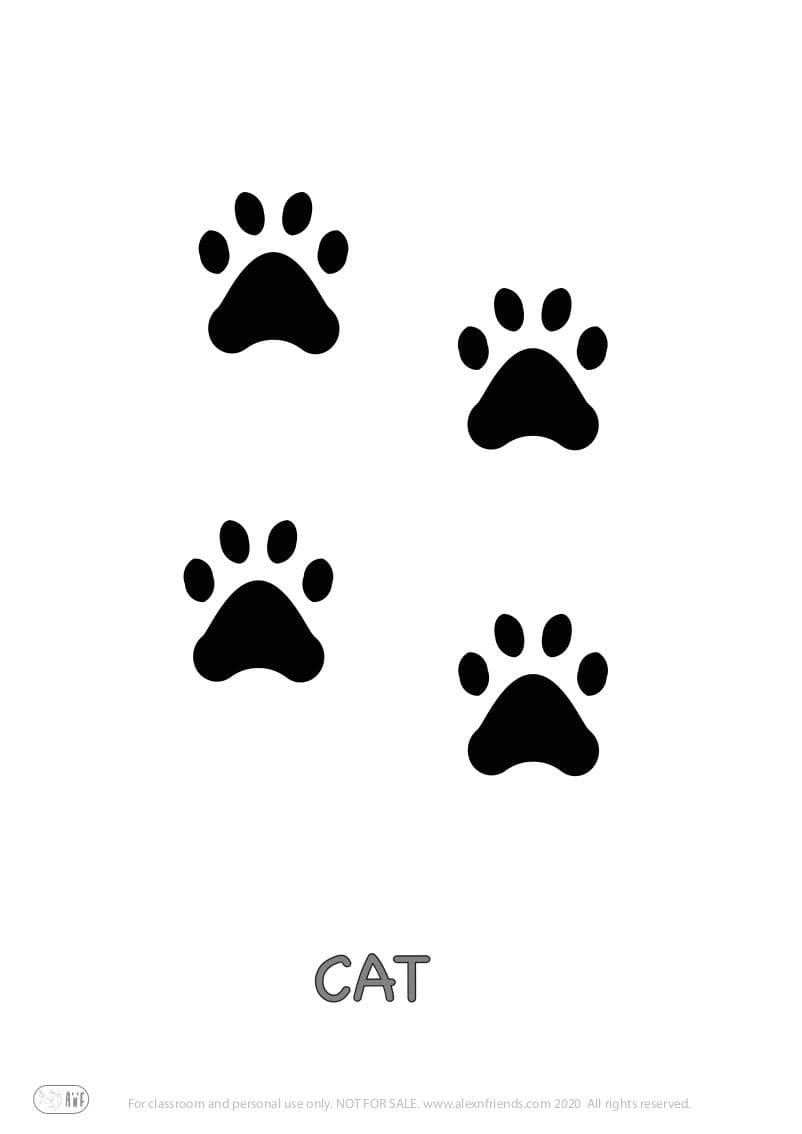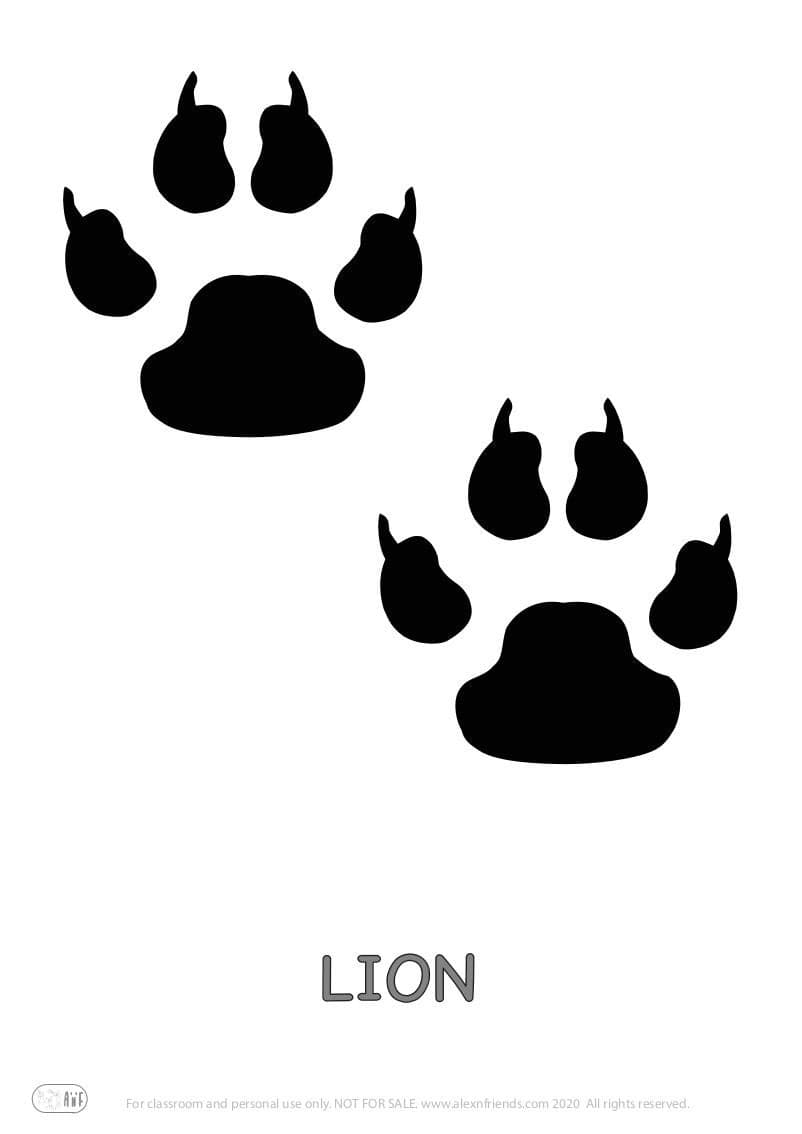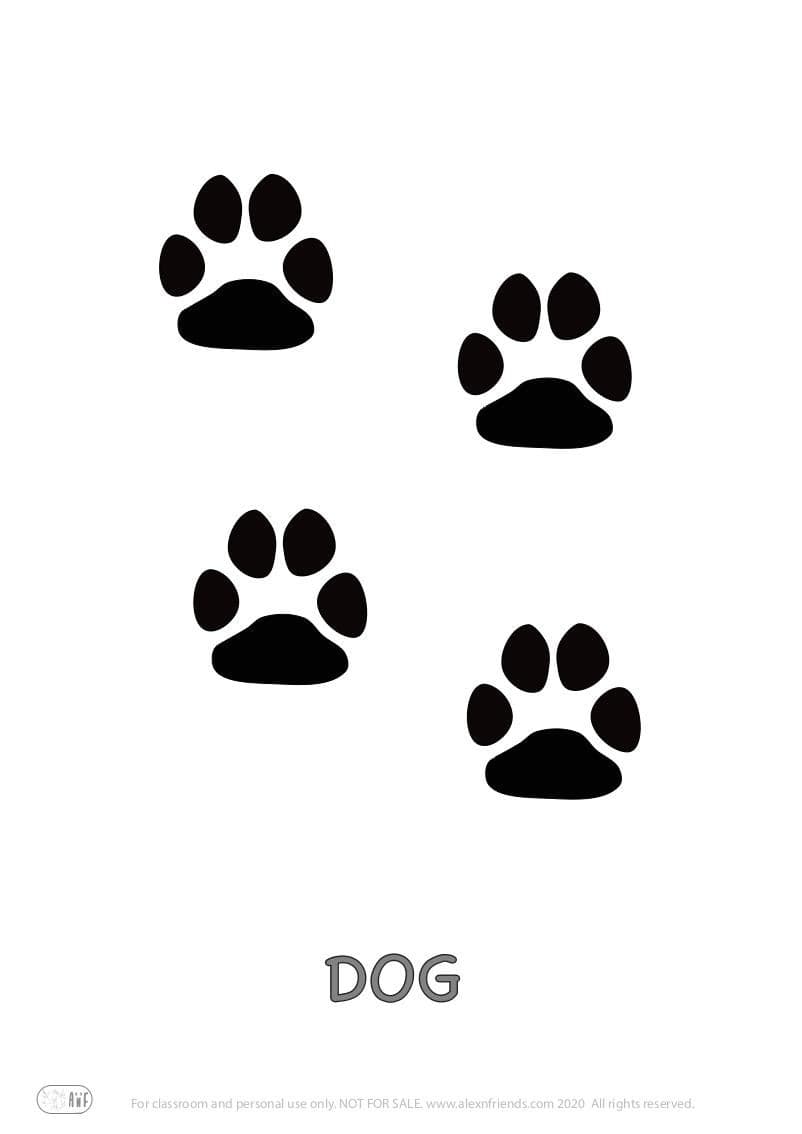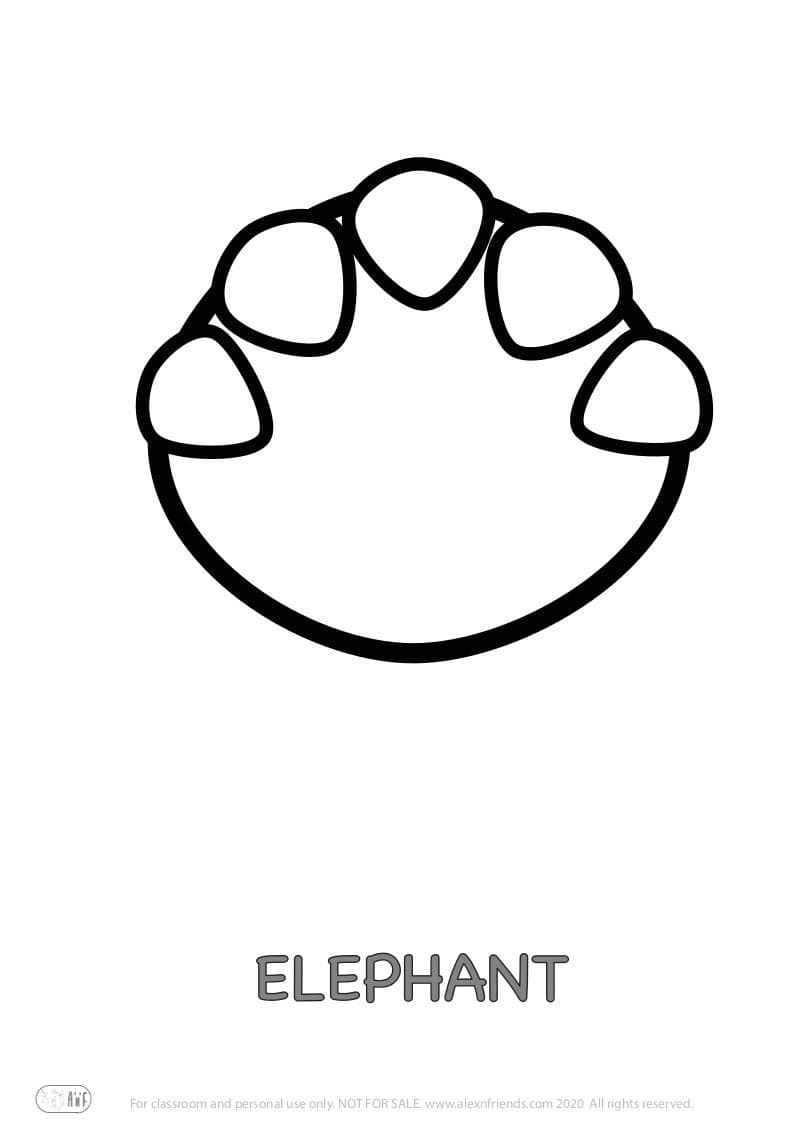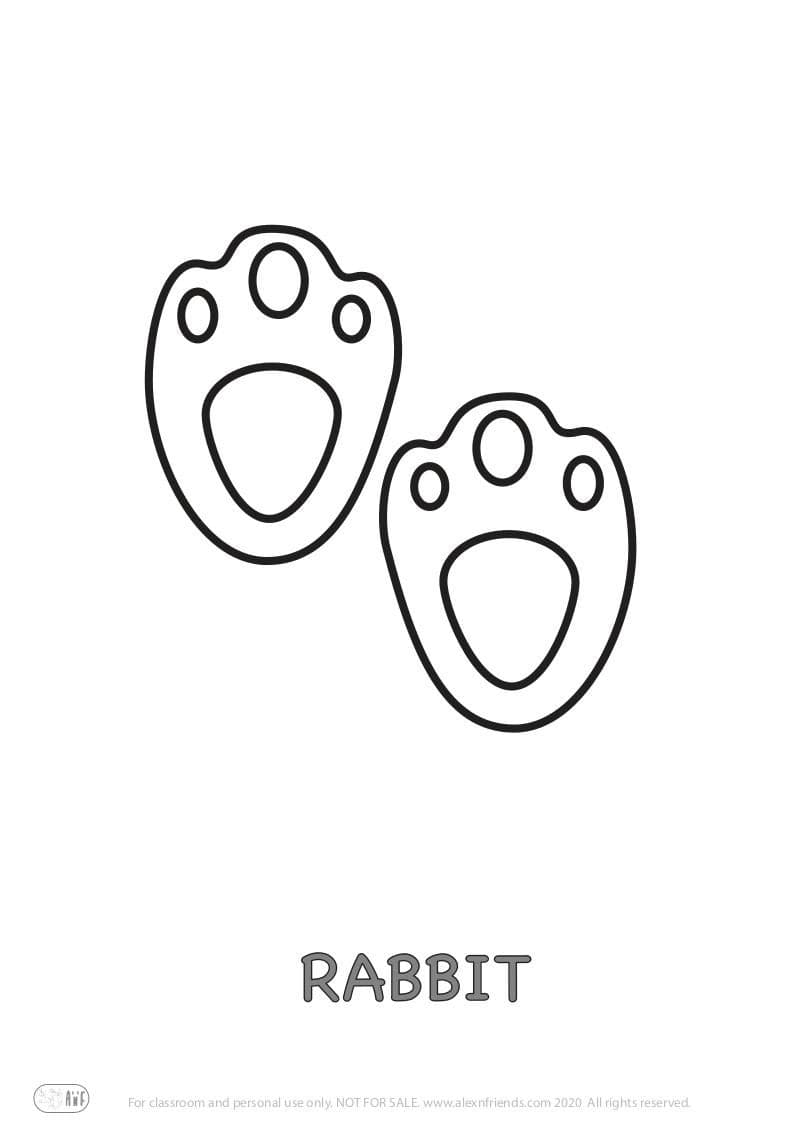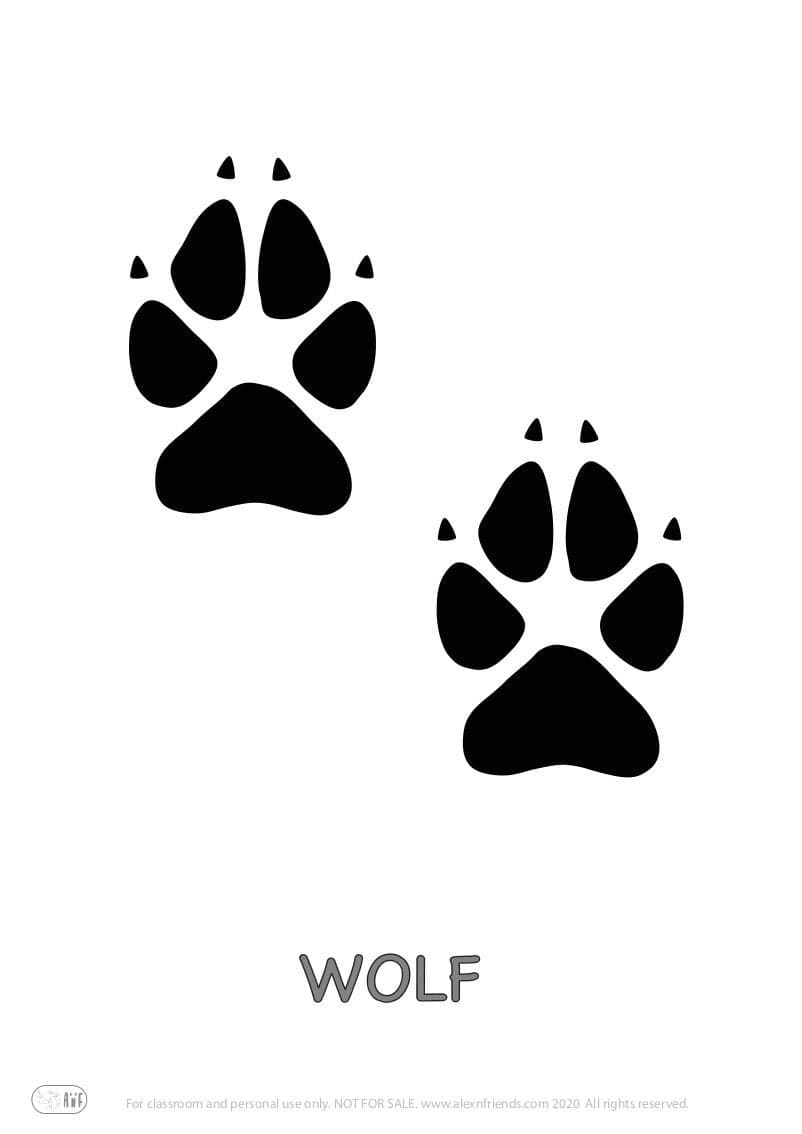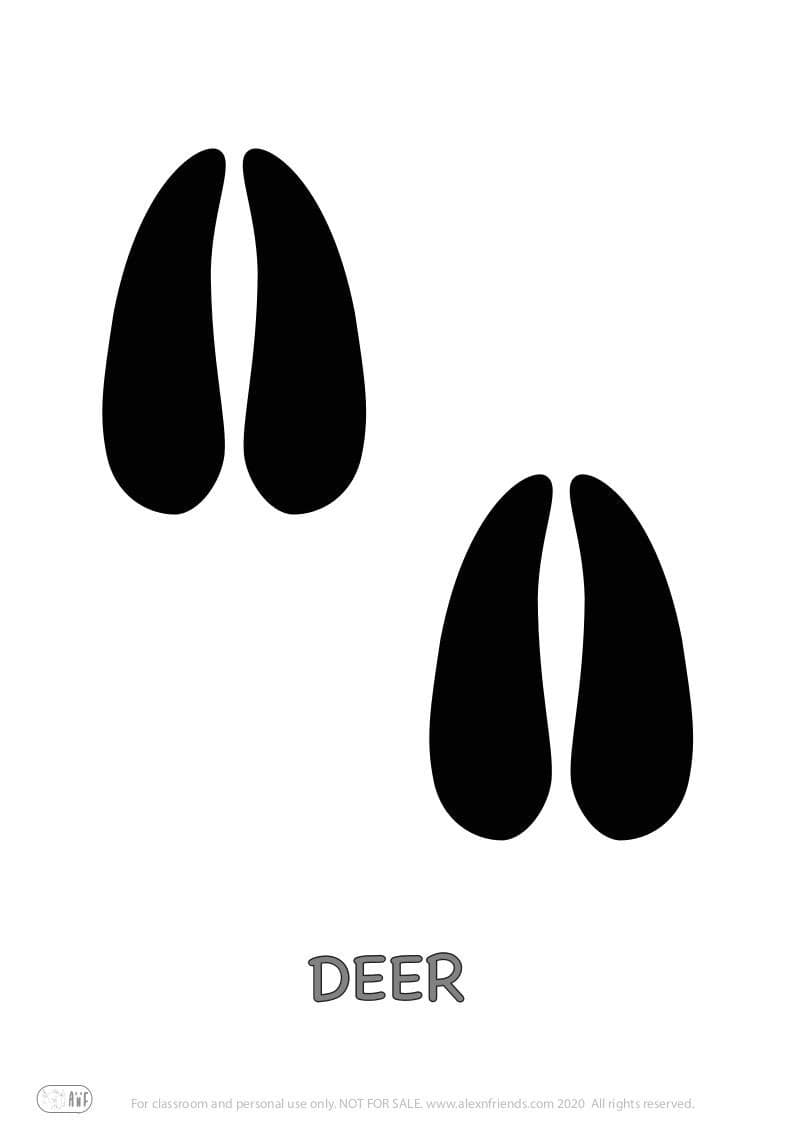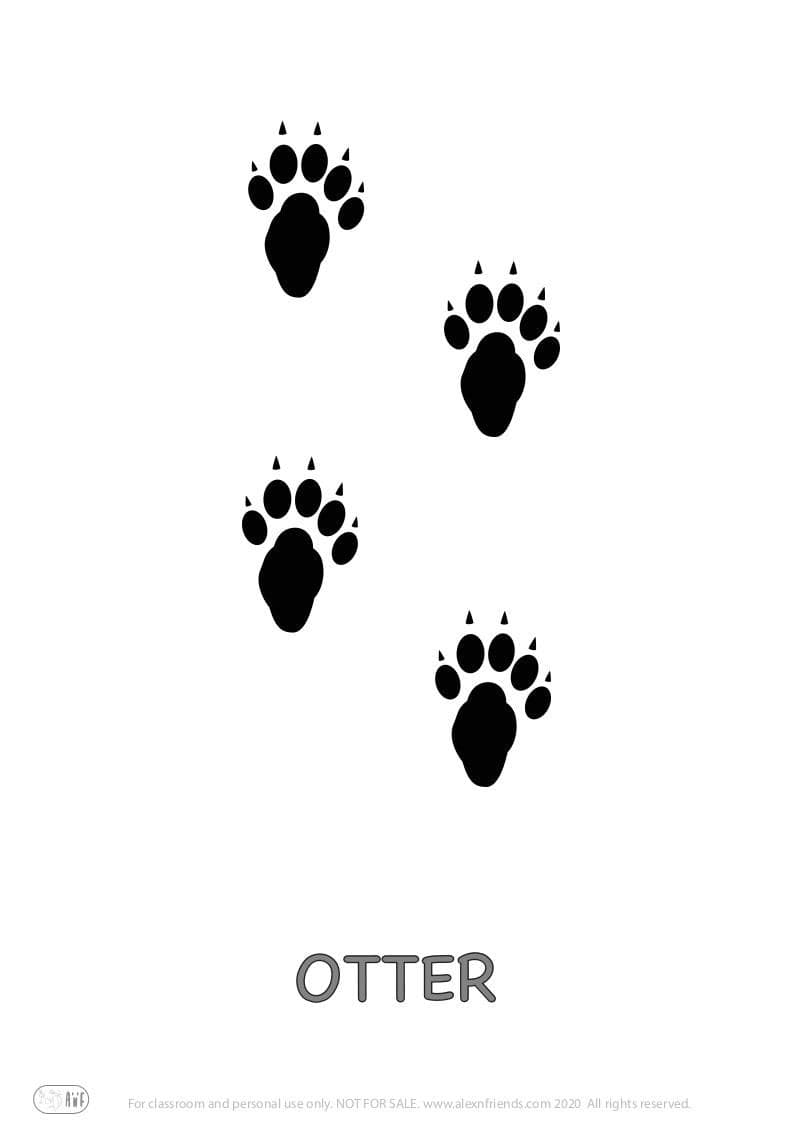
Who passed by here? A rabbit, a fox — or perhaps a little bear? Animal tracks are one of nature's most fascinating mysteries — and children become little detectives discovering them! This activity combines natural history, logical thinking, and a love of animals in a game full of curiosity and discovery.
What You'll Need
- Animal track cards (below) — printable and ready to use
- Sticky tape to fix them to the floor (optional)
How to Play
Activity 1 — Matching: Spread out the track cards and the animal cards. Ask: "Which animal left this footprint?" Let the child match them by observing the shape, size, and number of toes.
Activity 2 — The animal's path: Lay the track cards in a line on the floor to create the "path" an animal took. The child follows the trail and guesses which animal passed by!
Activity 3 — Make your own prints: Dip the child's palm or fingers in tempera paint and press them onto paper. Compare their print with those of the animals — is it bigger or smaller than the dog's?
Benefits for Children
Observation skills and attention to detail: To identify which animal left a track, a child must carefully observe shape, size, number of toes, and arrangement. This develops the capacity for precise observation — fundamental to the natural sciences.
Logical thinking and reasoning: "This track has claws so it's a carnivore" — the child learns to draw conclusions from evidence, a skill that forms the basis of scientific thinking.
Knowledge of the natural world: Children learn about animals, their way of life, and their environment through play — building a natural love and respect for nature.
Mathematical concepts: Counting toes, comparing sizes, recognising patterns — core mathematical skills are naturally embedded in the activity.
Language development: Discussing animals, their habitats, and their habits enriches vocabulary and encourages narrative speech.
Connection with nature: When children recognise animals from their tracks, they develop a deeper relationship with the natural world — a foundation for environmental awareness.
Ideas for Variations Play outdoors! Search for real tracks in the park, on the beach, or in the garden. Make a track book — the child draws or stamps the tracks they find. Combine the activity with animal books or nature documentaries for a richer learning experience!